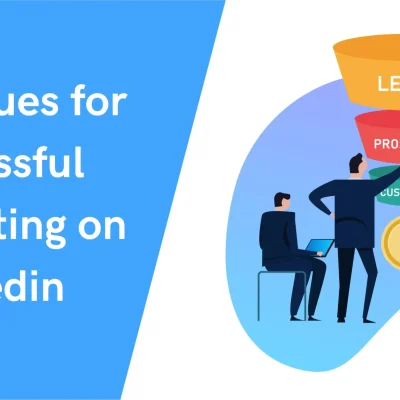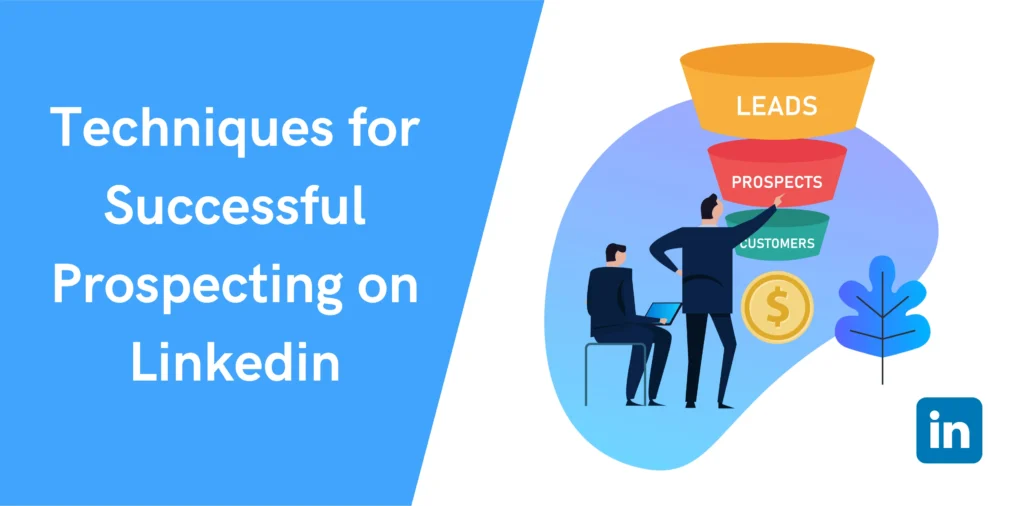

Our prospecting procedure on LinkedIn was for a very long time akin to what the majority of teams will recognize. Navigate to the platform, look for leads, browse through profiles, send out connection requests and wait for a reply. On the surface, it felt productive. Messages were being sent, connections were being established, and conversations took place on and off. After a couple of months, we began to experience something uncomfortable. We had been busy, but we weren’t achieving better results.
The Problem with Manual Prospecting
Everything was manual at first. We used filters, keywords and a little intuition to identify potential leads. Some days it worked. On other days it was like guesswork. It had been a slow process even if we found the right people.
Consistency was the bigger problem. Prospecting was approached differently by different team members. Some centered on job titles, others on industries, and others merely followed what was trending. There was no established system, only effort. It became apparent over time that effort on its own was not sufficient. We required something even more structured.
When Data Started Telling a Different Story
The turning point occurred when we started measuring what was really working. Rather than counting the number of messages we sent, we looked at responses. Which profiles replied? Which roles were more prone to engage? What industries expressed genuine interest?
The patterns began to emerge. Some profiles responded consistently and others rarely. Some messages worked better compared to others. Even timing of outreach played a role. We realized that we had approached prospecting the wrong way at that moment. It wasn’t about doing more. It was about doing things smarter.
Moving from Guesswork to Systems
After we noticed those patterns, we began creating a far more organized approach. We stopped looking for leads manually every day and instead organized our data and developed repeatable processes.
Instead of IT staffing titles, we grouped profiles according to behavior and engagement. Based on what had worked before, we refined our messaging. Prospecting gradually ceased to feel random and became deliberate. This shift also showed us how restricted manual work might be. We could only do so much by hand, despite having better strategy.
Where Automation Started Helping
At that point we started looking at tools that might help us scale what we already knew. Rather than checking profiles one at a time, we searched for ways to collect as well as structure info automatically.
Solutions based on the LinkedIn Profile API began making sense at this point. Teams could get access to structured profile data and identify patterns quicker rather than relying solely on manual effort. It enabled us to concentrate less on gathering information and more on understanding it. The difference was apparent. Now what took hours could be accomplished in minutes and the insights were much more consistent.
A Smarter Way to Prospect
Our LinkedIn prospecting approach today is significantly different. Personal outreach continues to be important, but now it is supported by data as opposed to guesswork. We know what profiles to target. We are aware of what sort of communication works. Most of all, we’re no longer relying solely on volume to achieve results.
For teams going through the same struggle, the shift usually begins with an easy question: are you monitoring what really works? For people aiming to go further, materials like Lix-it provide useful strategies to know how LinkedIn data may be structured as well as utilized better. It isn’t about supplanting human effort, but about enhancing it with greater insight.